
Abolition and the Rise of US Environmentalism: The Literature and Politics of Free Soil with Dr. James Finley (via Zoom)
As seen on
Abolition and the Rise of US Environmentalism: The Literature and Politics of Free Soil with Dr. James Finley (via Zoom)
Date
Feb 24, 2027 (Wed)
Time
7:00pm - 8:15pm
About this event
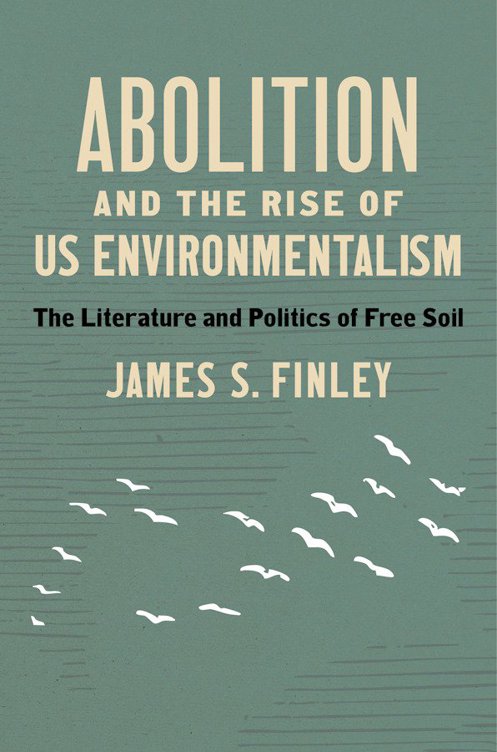
By the 1840s, many Americans recognized that the institution of slavery was destroying Southern landscapes while threatening to expand into the West. An increasing number of white Northerners believed that stopping slavery’s growth by surrounding areas where it was legal with so-called free soil would hasten its collapse and forestall an environmental crisis. James S. Finley addresses this understudied intersection of US antislavery and environmental politics in the two decades before the Civil War, arguing that the debate over free soil—what it should look like and who should have access to this land—was an under-recognized precursor of modern American environmentalist movements. Through the work of a group of Black writers and thinkers, the Free Soil movement’s white supremacist underpinnings were challenged by an eco-social vision that centered democratic communities and sustainable labor. By analyzing the output of authors who advocated for truly free soil, such as Frederick Douglass and Henry Highland Garnet, Finley finds commonalities in their attempts to reenvision communal relations between individuals and the land with contemporary movements for racial and environmental justice.
Event Location
Mountain Top Arboretum, 4 Maude Adams Rd, Tannersville, NY 12485, United States
Get DirectionsVOTING
(No rounds are open for voting)